Have you ever wondered which asphalt mix is best for your road project? Hot Mix and Cold Mix Asphalt are two widely used pavement forms that offer unique advantages. Whether you’re paving a residential driveway or addressing the needs of a rural community, understanding the difference between hot-mix asphalt and cold-mix asphalt can help you make an informed decision.
This blog post will look at each mix type, comparing durability, cost-effectiveness, and other considerations to determine which is better for your roadway application.
What is Hot Mix Asphalt?
Hot mix asphalt is a type of road pavement made of aggregates like stone, sand, and gravel and a binder mixture of asphalt cement and water. The components are mixed at a high temperature, around 150-165 degrees Celsius, in an asphalt plant.
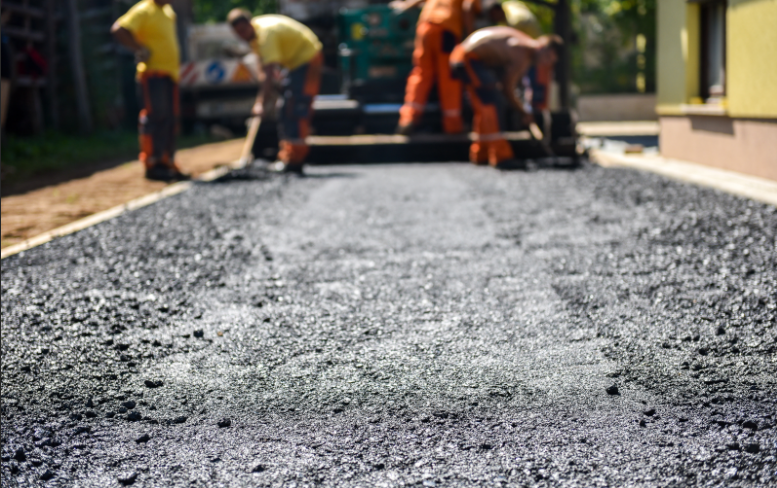
The hot mix asphalt is then transported, laid on the road surface, compacted, and allowed to cool and harden. Using equipment like the 1000G Asphalt Paver can improve material flow and help achieve a consistently smooth finish
Using a DIY asphalt hot box can help maintain the optimal temperature, ensuring the mix remains workable until application.
The resulting pavement is durable, smooth, long-lasting, and withstand heavy traffic and extreme weather conditions. The advantages of hot mix asphalt include its cost-effectiveness, low noise generation, recyclability, ease of maintenance, and ability to offer a safe and comfortable driving experience.
What is Cold Mix Asphalt?
Cold mix asphalt is a type of asphalt that can be used for road construction, maintenance, and repair, even in lower temperatures. It comprises a mixture of bitumen emulsion, aggregates, and water. The components are combined in a pug mill, and the end product is a uniform and workable mixture that can be stored for extended periods.
The advantages of cold mix asphalt include its ability to be used in wet or dry conditions, lower energy requirements, and ease of use and transportation. It is also an environmentally friendly option that reduces the carbon footprint of road construction and maintenance projects.
Differences Between Hot Mix and Cold Mix Asphalt
Hot-mix and cold-mix asphalt are essential in road construction, maintenance, and repair. Some of the differences between hot mix asphalt and cold mix asphalt are:
1. Temperature requirements: Hot mix asphalt, as the name suggests, requires high temperatures for mixing and application, usually between 150-165 degrees Celsius. In contrast, cold-mix asphalt can be produced and applied at temperatures around 10 to 25 degrees Celsius.
2. Time required to set: Hot mix asphalt sets quickly, with roads being ready for use in a few hours after application. On the other hand, cold mix asphalt sets slowly and may require several days to cure fully.
3. Workability: While hot mix asphalt is easy to work with, thanks to its pliable nature, cold mix asphalt can be more challenging to apply due to its stiffer consistency.
4. Cost: Hot mix asphalt is generally more expensive to produce and apply than cold mix asphalt, reflecting the higher energy requirements and more significant material inputs for the former.
5. Durability: While hot and cold mix asphalt can provide a durable surface, hot mix asphalt typically lasts longer and withstand heavier traffic loads.
6. Environmental impact: Cold mix asphalt has a lower environmental impact than hot mix asphalt, as it requires less energy and can be made with recycled materials. On the other hand, hot-mix asphalt has a higher carbon footprint and can generate more air pollution during production and application.
Applications of Hot Mix and Cold Mix Asphalt
Hot-mix asphalt and cold-mix asphalt have different applications and are suitable for specific conditions. Hot mix asphalt is typically used in high-traffic areas, such as highways and major roadways. It is also ideal for warm and dry weather conditions. In contrast, cold mix asphalt is used for repairing potholes and damaged road surfaces in lower-traffic areas, such as residential streets and driveways. In addition, it is ideal for use in colder and wet conditions where hot mix asphalt cannot be applied.
Pros and Cons of Hot Mix Asphalt
Like other materials and products, hot Mix Asphalt (HMA) has advantages and disadvantages. Some of the pros and cons of hot mix asphalt are:
Pros:
- Superior performance – HMA provides superior performance as road surfaces in high-traffic areas. It can withstand heavy loads and intense vehicular traffic.
- Long-lasting durability – HMA lasts longer than other asphalt types due to its high durability and resistance to wear and tear.
- Higher resistance to weather conditions – HMA is more resistant to typical weather conditions, such as high temperatures and rainfall, making it an ideal choice for areas that experience harsh weather conditions.
Cons:
- Requires a hot plant to produce – HMA requires access to an asphalt plant that can mix and produce asphalt at high temperatures, which can be costly and inconvenient for remote or hard-to-access locations.
- Shorter workability time – HMA has a shorter workability time, and once mixed, it must be laid and compacted immediately to avoid hardening or excessive cooling, which can lead to material waste and affect the quality of the final product.
Pros and Cons of Cold Mix Asphalt
Cold Mix Asphalt (CMA) is increasing attention for its eco-friendliness. Here are some pros and cons of cold mix asphalt:
Pros:
- Can be produced on-site: CMA can be mixed and produced on-site, which can save considerable material transportation costs.
- Does not require a hot plant: CMA does not require heating to high temperatures and can be mixed and applied at lower temperatures, reducing energy consumption during production.
- Can be used in cold weather conditions: CMA can be used in cold weather conditions as it can be made at lower temperatures without the need for a hot plant, making it ideal for use in areas where hot mix asphalt is impractical during cold seasons.
Cons:
- Lower durability compared to hot mix asphalt: CMA is less durable than hot mix asphalt because of its lower aggregates-to-binder ratio and compressed density, which makes it unsuitable for high-traffic areas.
- Not suitable for high-traffic areas: CMA is recommended only for lesser-used areas, like rural roads or low-traffic parking lots, as it is less durable compared to other asphalt types.
- Higher potential for cracking and potholes: CMA is more susceptible to cracking and potholes due to its lower durability and weakness, thereby requiring frequent maintenance and repair work.
Factors to Consider When Choosing Asphalt Mix
Choosing the right type of asphalt mix for a construction or repair project is essential. In addition to factors like cost and durability, understanding the differences between asphalt and pavement can guide you in selecting the most appropriate material.
A few of these factors include the area’s climate conditions, expected traffic volume, available equipment, time constraints, and budget.
Different asphalt mixes, such as hot or cold mix, may be recommended based on local conditions and traffic expectations. Knowing the asphalt paver basics can further help in planning an efficient and smooth paving process.
The type and availability of equipment needed for laying the asphalt mix and the time allowed for the project can also impact the selection process. Budget is another crucial consideration as some materials, like hot mix asphalt, are more expensive than others.
Maintenance and Repair of Asphalt
Routine maintenance practices for asphalt pavement include regular inspections for cracks, potholes, and drainage problems. For example, understanding methods for fixing alligator cracks in asphalt can prevent minor issues from escalating
Standard repair techniques for asphalt pavement include patching, crack sealing, and resurfacing, depending on the extent of the damage. The cost of maintenance and repair varies depending on the problem’s type and severity, the area’s size, and the methods used.
Conclusion
Hot Mix Asphalt and Cold Mix Asphalt are both viable options for road projects, and the choice of which one to use depends on the project at hand. No matter which option you use for your road project, working with experienced professionals like LeeBoy with industry knowledge and top-notch tools and equipment to ensure every asphalt project goes smoothly is essential.
Asphalt pavement is commonly used for roads, driveways, parking lots, and pathways. As with any paving surface, there are times when cutting asphalt pavement may be necessary. It could include removing an old driveway or making room for a new construction project. Knowing how to cut asphalt pavement properly can help you get the most out of your paving job. Learning to cut asphalt pavement includes improved accuracy, less waste, and faster completion time.
In this blog post, we’ll discuss different strategies for cutting asphalt safely and effectively and explain how to do it properly each time. We’ll also explore what tools are necessary to complete the job without compromising your safety or wellness.
Preparing to Cut Asphalt Pavement
When preparing to cut asphalt pavement, safety should always be the top priority. Make sure to have the proper safety equipment, such as a hard hat, gloves, protective eyewear, face masks, and clothing that covers your hands and arms. It’s also important to check the condition of the pavement before you begin work – look for any old repairs or previous gaps to determine the best cutting method and select the appropriate cutting equipment.
Consider whether straight cuts are necessary or if more intricate designs would be required before deciding what type of saw is best utilized and what ideal operators should be used. With some planning and careful consideration of safety equipment, pavement condition, type of saws available, and cutting techniques needed, creating successful cuts in asphalt can be surprisingly straightforward.
Techniques for Cutting Asphalt Pavement
Asphalt pavement needs to be cut from time to time, and there are several cutting techniques available. Here we will look at two of the most common methods:
Wet Cutting Technique
The wet-cutting technique involves using a saw with a diamond blade to cut through the asphalt while spraying water directly onto the cut. This process helps prevent dust from getting into the air and reduces smoke, making it an ideal choice for working in enclosed or residential areas.
The benefits of wet cutting include creating a cleaner and smoother cut than is possible with dry cutting and being quieter and less abrasive. However, this process is more labor-intensive due to having to rewet the surface to keep the dust down continually.
Dry Cutting Technique
In dry cutting, a saw with a diamond blade remains necessary. However, no water is sprayed onto the surface while cutting. This method is typically quicker as it only needs one operator and can be used when tight corners need to be cut without leaving trailing water behind.
The advantages of dry cutting include providing more control throughout the cut due to not having to worry about wetting down the surface beforehand and not having to stop frequently to rewet it during cutting. However, this process creates more dust than wet cutting, so it should only be used outdoors and in good ventilation areas.
Diamond Blade Cutting
Diamond blade cutting uses a saw with a diamond-encrusted blade to slice through asphalt. This process allows for precise cuts, but it is also expensive and labor-intensive because of the need to continually replace the blades due to their fragility.
Abrasive Cutting
Abrasive cutting is a technique where abrasive media such as sand or glass beads are blasted at high pressure onto the asphalt to cut it away. This method is fast and efficient, but it produces dust particles that can be damaging if inhaled or ingested.
Thermal Cutting
Thermal cutting involves using pressurized gas torches to heat up and melt asphalt to remove it. This option produces minimal dust so that it can be done safely indoors; however, it requires more specialized equipment than other techniques and can sometimes leave behind an uneven surface.
Steps for Cutting Asphalt Pavement
Cutting asphalt is a necessary part of the installation and maintenance of asphalt pavements, so it is essential to be familiar with the steps involved to ensure a successful result. Here are the steps for cutting asphalt pavement:
1. Marking the cutting line – This is an important step that must be done carefully, as this will guide your work in the future. Make sure to draw a clear and accurate line with a marker or chalk you can easily follow when cutting.
2. Starting the cutting equipment – Now it is time to get the job done! First, start up your cutting equipment, making sure all safety precautions are taken while handling it.
3. Adjusting the cutting depth – Once the machine is on, set the blade’s depth according to what you need to cut through (usually 5-6 inches).
4. Cutting along the marked line – Start working your way along your marked line slowly but steadily while ensuring you keep a safe distance from other people and objects around you.
5. Stopping and inspecting the cut – As soon as you finish, check how well your cut matches your marked line and make any necessary adjustments before proceeding further with more cuts or additional work on this particular area.
6. Removing debris and cleaning up the area – After completing all cuts, remove any extra pieces of asphalt left behind and clean up everything within the designated area so it looks neat and professional again.
Tips for Achieving a Smooth Cut
Achieving a smooth cut is essential when cutting asphalt pavement. Here are some tips to help you achieve this goal:
- Maintaining a consistent cutting speed – Keeping your machine at the same speed throughout the process will ensure that all cuts are even and the finish has no flaws.
- Keeping the cutting blade sharp – Sharpening your blades regularly will also help achieve uniform cuts, as blunted blades can tear through the asphalt unevenly.
- Controlling the cutting equipment – Control your cutting machine properly is critical to ensuring no errors occur during the process, so practice makes perfect!
- Cutting in sections – Rather than tackling an entire project in one go, focusing on smaller sections of asphalt is better. This way, if any mistakes are made, they can be more easily corrected without having to redo too much work already done.
Dealing with Common Challenges
When it comes to asphalt cutting, common challenges can arise that may impede the cutting process and lead to undesirable outcomes. For example, overheating of cutting equipment is likely to happen when too many demands are put on a single tool or machine, so it is essential to employ different machines for different tasks and adequately maintain your tools to prevent such issues.
Dust and debris buildup can obstruct cutting and make the pavement surface uneven. However, this can be prevented by adequately cleaning the running track area during use and using hand brushes where appropriate. If not attended to quickly and nicely, more severe issues such as cracking or fracturing of the pavement may occur, so working closely with a professional who will regularly monitor the equipment is a wise precaution.
Best Practices for Cutting Asphalt Pavement
Cutting asphalt pavement requires diligence and attention to detail. However, the job can be done safely and efficiently with some preparation. Three best practices include adhering to safety guidelines, properly maintaining cutting equipment, and working with a partner. Secondly, ensuring the cutting machine is regularly cleaned and maintained in proper working order will keep it running smoothly throughout the job and deliver consistent results.
Lastly, having an assistant to provide feedback about control, force applied, tire traction, etc., makes for safer working conditions. Again, cleaning up excess waste materials around the work area is another crucial step for completing any job successfully.
When to Call a Professional
Whenever you work on a paving project involving complex pavement structures, high-traffic areas, or hard-to-cut materials, it is in your best interest to call a professional. Professionals like LeeBoy are experienced in navigating tricky and time-consuming projects and can complete the job faster than if you attempted it.
An experienced professional knows how to accomplish the task after assessing the work and utilizes specialized tools and equipment to ensure maximum accuracy and quality results.
Conclusion
Asphalt cutting is a skill that requires precision and expertise. If you need to become more familiar with how asphalt pavement works and need to cut through it, reliable companies like LeeBoy can do the job for you. Their specialized asphalt project equipment and vast knowledge of this art form ensure that your asphalt-cutting needs are taken care of with pristine quality and effortless reliability.
An asphalt hot box is a specialized piece of equipment designed to keep asphalt at optimal temperatures for extended periods.
It provides a controlled heating environment, ensuring that the asphalt remains workable and maintains its desired consistency during transportation and application. Typically, hot boxes use a combination of direct heat and insulation to prevent heat loss, making them essential for paving operations and repair work.
Using an asphalt hot box offers numerous advantages. First, it allows for improved efficiency during paving projects by minimizing temperature-related delays. Maintaining asphalt at the correct temperature enhances its adherence and durability when applied.
Additionally, hot boxes help reduce material waste, as they ensure that asphalt can be reused if it has cooled down, ultimately leading to cost savings for contractors.
Building your own asphalt hot box can provide significant benefits over purchasing a pre-made unit. Customizing your hot box allows you to tailor it to specific project needs, ensuring optimal size, insulation, and heating capabilities.
Furthermore, constructing your own unit often proves to be more economical, particularly for those who may require a hot box infrequently or for small-scale applications. A DIY asphalt hot box can empower you to take control of your paving projects, leading to improved efficiency and outcomes.
Whether you’re using hot mix asphalt, an asphalt plant, or other alternatives, you can build your own hot box. Read until the end to find out how!
Materials Required
Building an asphalt hot box requires a selection of specific materials that contribute to its durability and functionality. Below is a list of essential materials along with explanations for each:
Steel Sheets
Steel sheets form the structure of the hot box. They are chosen for their strength and ability to withstand high temperatures without warping.
Insulation Material
High-quality insulation, such as fiberglass or foam board, is needed to retain heat within the hot box, ensuring that asphalt remains workable for longer periods.
Heating Elements
Electric or propane heating elements are crucial for maintaining the temperature of the asphalt. These elements should be capable of reaching and sustaining elevated temperatures safely.
Thermometer
A reliable thermometer is essential for monitoring the internal temperature of the hot box, allowing for optimal heating of the asphalt.
Hinges and Latches
Durable hinges and latches are necessary for the doors of the hot box, ensuring they open and close securely while withstanding repeated use.
Casters or Wheels
To enhance portability, casters or wheels allow the hot box to be easily moved around job sites, making it convenient for users to transport materials as needed.
Sealant
Heat-resistant sealant is used to close any gaps in the structure, preventing heat loss and ensuring efficiency in maintaining the desired temperature.
By gathering these materials, builders can create a functional and efficient asphalt hot box that will serve their needs effectively.
Designing Your Asphalt Hot Box
When embarking on the journey to design your asphalt hot box, several key factors must be taken into account to ensure effectiveness and safety.
The primary considerations include the size and capacity of the hot box, which should align with your intended usage and the volume of asphalt you’ll need to store.
Additionally, the insulation materials used are crucial, as they will determine how well your hot box retains heat, impacting the quality of the asphalt over time.
Factors to Consider Before Designing an Asphalt Hot Box
Before diving into the construction of your hot box, it’s essential to assess the environmental conditions in which it will operate.
Factors such as ambient temperature, humidity, and the type of asphalt being stored can influence the design and functionality.
Furthermore, ensure compliance with local regulations regarding construction materials and safety standards. Another consideration is mobility; if you need to transport the hot box frequently, designing it to be trailer-mounted or easily disassembled will save time and effort.
Steps to Take Before Building Your Asphalt Hot Box
- Research and Planning: Begin by gathering information on existing designs and materials. Sketch out your plans and consider all necessary components.
- Select Materials: Choose high-quality insulation and durable exterior materials that can withstand high temperatures.
- Create a Budget: Outline your potential costs, including materials, tools, and any professional assistance you may require.
- Secure Necessary Permits: Check local regulations to determine if any permits are needed for your build.
- Gather Tools: Assemble all required tools and equipment for construction to ensure a smooth building process.
Taking these steps will set a solid foundation for an efficient and durable asphalt hot box.
Building Your Asphalt Hot Box
Steps to Build Your Asphalt Hot Box
- Gather Materials: Start by collecting all necessary materials including a sturdy, insulated container, heating elements like propane burners, and any insulation materials such as rock wool.
- Prepare the Container: Modify the container to ensure it has good insulation. You may need to add extra insulation to the sides and bottom to retain heat effectively.
- Install Heating Element: Position the propane burners or other heating elements at the bottom of the container, ensuring they are securely attached and can be accessed safely for adjustments.
- Add Temperature Control: Incorporate a thermometer to monitor the internal temperature of the hot box, helping you maintain optimal conditions for the asphalt.
- Seal the Box: Once all components are in place, seal the container tightly to minimize heat loss. This can be done using heat-resistant silicone or similar materials.
- Test Your Hot Box: Before using your hot box on an actual project, conduct a test run to ensure it reaches and maintains the desired temperature efficiently.
Each step plays a critical role in the effectiveness of your asphalt hot box. Gathering the right materials ensures durability and functionality; preparing your container for insulation helps in keeping the asphalt warm for extended periods; proper installation of the heating element is crucial for efficient heat distribution, while the inclusion of a thermometer allows for accurate monitoring.
Lastly, sealing the box guarantees that heat is not lost, and testing the setup verifies that it can operate as needed.
Tips and Tricks to Help Build Your Asphalt Hot Box
- Invest in High-Quality Insulation: The better the insulation, the longer your asphalt will stay warm.
- Use Adjustable Burns: This allows you to control the heat settings based on your specific needs and the environmental conditions.
- Regular Maintenance: Check your hot box regularly for wear and tear, ensuring that all components are functioning correctly to avoid failures during use.
- Keep it Accessible: Design your hot box in a way that allows easy access to the heating elements and temperature gauge for quick adjustments as necessary.
Testing Your Asphalt Hot Box
Testing your asphalt hot box is crucial to ensure its functionality and efficiency, as a well-maintained unit can significantly impact the quality of your asphalt work. Proper testing helps identify potential issues before they lead to costly repairs or project delays.
Additionally, consistent testing can enhance the safety of operators and ensure that the hot box operates within the necessary temperature ranges, which is essential for achieving optimal results in asphalt application.
Steps to Test Your Asphalt Hot Box
- Check the Temperature Calibration: Start by using a reliable thermometer to measure the internal temperature of the hot box. This ensures that the gauge readings are accurate and that the unit is heating asphalt to the required level. If discrepancies are found, recalibration is necessary.
- Conduct an Insulation Test: Inspect the insulation of the hot box by running it at its highest setting for a predetermined time. Afterward, check for heat loss by feeling around the exterior of the unit. If excessive heat is radiating from the sides, it may indicate inadequate insulation which can lead to inefficient heating.
- Verify Fuel and Burner Functionality: Ensure that the fuel system and burners are functioning correctly. This involves checking for leaks, ensuring gas valves are secure, and confirming that burners ignite properly. Any irregular combustion can affect heating efficiency and may pose safety risks.
- Test the Asphalt Loading Mechanism: Load a small batch of asphalt into the hot box and observe how well it distributes and retains heat. This step identifies issues with the loading mechanism or insulation that could hinder effective heat maintenance.
- Run a Full Heating Cycle: Finally, allow the hot box to complete a full heating cycle while monitoring the temperature stability. This test will indicate whether the unit can maintain consistent heat over time, which is critical for successful asphalt application. Adjustments may be needed if temperature fluctuations occur during this phase.
Maintaining Your Asphalt Hot Box
Routine maintenance of your asphalt hot box is crucial to ensure its longevity and optimal performance. Over time, lack of care can lead to equipment failure, inefficient heating, and ultimately costly repairs. By regularly checking and servicing the hot box, you enhance its efficiency and reduce downtime in your projects.
Tips for Maintaining Your Asphalt Hot Box
- Regular Cleaning: After each use, clean out any leftover asphalt and debris to prevent buildup and potential fires.
- Inspect Heating Elements: Regularly check heating elements for wear and functionality to ensure even heating and prevent overheating.
- Check Seals and Gaskets: Inspect seals and gaskets for signs of cracking or wear, and replace them as necessary to maintain insulation and efficiency.
- Monitor Temperature Control Systems: Ensure temperature gauges and controllers are functioning correctly for precise heating management.
- Store Properly: When not in use, store the hot box in a dry, sheltered location to prevent rust and other weather-related damage.
Conclusion
Maintaining your asphalt hot box is not just about keeping the equipment functional but also about enhancing your overall asphalt application process. Proper care extends the life of the device and ensures high-quality results in your work.
Building your own asphalt hot box offers numerous benefits, including cost savings, customization to fit specific needs, and the satisfaction of crafting a functional tool. By investing time in the construction and ongoing maintenance of this essential equipment, you empower yourself with better control over your asphalt projects and enhance the quality of your work.
In conclusion, understanding both the construction and maintenance of an asphalt hot box is vital for anyone involved in roadwork or paving projects. By dedicating effort to maintaining your hot box, you ensure it remains a reliable partner in your jobs, delivering consistent performance and improved results.
Regular maintenance of asphalt pavers is crucial for ensuring their longevity and optimal performance. By routinely inspecting and servicing your equipment, you can prevent breakdowns, increase efficiency, and extend the lifespan of the paver.
Proper maintenance not only reduces the likelihood of costly repairs but also ensures that the asphalt paving process remains smooth and uninterrupted, thereby improving the quality of the finished surface.
This article aims to provide valuable tips and insights for maintaining asphalt paving equipment to achieve enhanced durability and performance. It will cover essential maintenance practices, highlight key areas that require regular attention, and offer expert advice on troubleshooting common issues.
By the end of the article, you will have a comprehensive understanding of how to properly care for your asphalt paver, ensuring it delivers reliable and efficient results paving job season after paving job season.
Understanding Asphalt Pavers
Asphalt pavers, also known as paving machines, are construction equipment used to lay asphalt on roads, bridges, parking lots, and other such infrastructures.
Their primary function is to spread and flatten the asphalt mixture evenly over a predetermined surface, preparing it for compaction by a roller. This ensures a smooth, uniform layer, which is crucial for creating durable, long-lasting surfaces that can withstand heavy traffic and adverse weather conditions.
Types of Asphalt Pavers and Their Applications
There are primarily two types of asphalt pavers: wheeled pavers and tracked pavers.
Wheeled Pavers
Equipped with pneumatic tires, wheeled pavers are highly maneuverable and are well-suited for urban environments and smaller projects where navigation through tight spaces is essential. They offer better mobility on paved surfaces and are generally faster in operation.
Tracked Pavers
These pavers have continuous tracks instead of wheels, giving them a larger surface area in contact with the ground.
This design provides enhanced stability and weight distribution, making tracked pavers ideal for large-scale projects and uneven terrain. Their superior traction allows them to handle heavy loads and maintain a consistent paving speed, ensuring a high-quality finished surface.
Each type of asphalt paver is designed to meet specific project needs, ensuring efficiency and optimal performance in a variety of paving applications.
Paving contractors need to consider different factors, such as the pavement quality, the paving mix, accounting for cold asphalt chunks, mat thickness, the pavement structure, and more.
Regular Inspection and Maintenance
To ensure the longevity and optimal performance of your asphalt paver, regular inspection and maintenance are crucial. Routine checks can help identify potential issues before they escalate into costly repairs or downtime.
Consistent maintenance not only prolongs the life of your equipment but also enhances its efficiency, ensuring smooth and high-quality paving operations.
If you want quality pavement, you need to make sure you properly maintain the equipment. The screed operator is the one responsible for providing the proper mat temperature, depth, and pattern, but much more goes into it.
Preparing for Maintenance Tasks
Before conducting any maintenance tasks, it’s essential to prepare adequately. Ensure that the paver is parked on a flat, stable surface and that all safety measures, such as wearing appropriate protective gear, are in place.
It’s also beneficial to have a checklist of maintenance tasks and the necessary tools at hand to streamline the process.
Key Components to Inspect and Maintain
Engine and Hydraulic System
Regularly check fluid levels and look for any leaks. Ensure that filters are clean and replaced as needed.
Screed
Inspect the screed for any wear or damage. Properly calibrate and adjust it to maintain consistent pavement thickness and smoothness.
Conveyor System
Examine the conveyor belts and chains for signs of wear or misalignment. Lubricate and adjust them to ensure an efficient material flow.
Augers
Look for any signs of wear or damage to the augers. Ensure they are properly adjusted to distribute asphalt evenly.
Electrical Systems
Inspect all electrical connections and components for any signs of corrosion or damage. Ensure that all lights and controls are functioning correctly.
Regular inspection and maintenance are pivotal in ensuring your asphalt paver operates at its best, delivering high-quality results and extending its service life.
Cleaning and Lubrication
Maintaining the cleanliness of your asphalt paver is crucial for its longevity and optimal performance. Different parts of the paver require specific cleaning techniques to ensure they remain in good condition.
For instance, the hopper should be cleaned daily to remove any asphalt buildup, which can be done using a pressure washer or a scraper. The screed plate and end gates should also be inspected regularly and cleaned using suitable solvents to remove any asphalt residue.
Additionally, the conveyor chains and augers should be cleared of debris to prevent blockages and ensure smooth operation.
Proper Lubrication Methods for Optimal Performance
Lubrication is essential for the smooth operation and extended life of an asphalt paver. Each moving part of the paver requires proper lubrication to minimize friction and wear. It is recommended to use high-quality lubricants that meet the specifications provided by the paver manufacturer.
Key areas that need regular lubrication include the screed plates, auger bearings, conveyor chains, and drive chains.
For optimal performance, follow a consistent lubrication schedule, ensuring each component is adequately lubricated before use. Regularly inspecting the lubricated areas for signs of wear or damage will also help in maintaining the equipment in peak condition.
Managing Wear and Tear
Properly managing wear and tear is crucial to ensure the longevity and optimal performance of your asphalt paver.
Identifying Common Signs of Wear and Tear
First and foremost, it’s essential to regularly inspect your asphalt paver for common signs of wear and tear. Look for uneven surfaces, cracks, or grooves on the screed, which can affect the quality of the pavement.
Additionally, check for loose or missing bolts, worn-out tracks, or hydraulic leaks. Any irregularities in the machine’s operation, such as strange noises or decreased efficiency, can also indicate underlying issues.
Strategies to Minimize Wear and Extend Lifespan
To minimize wear and extend the lifespan of your asphalt paver, adopting a proactive maintenance schedule is paramount. Regularly lubricate all moving parts to reduce friction and ensure smooth operation.
Clean the paver thoroughly after each use to prevent the buildup of debris, which can cause mechanical issues.
Additionally, using high-quality materials and fuel can reduce strain on the engine and other components. Properly training operators can also lead to more efficient and careful handling of the equipment, further reducing wear.
Importance of Replacing Worn Parts Promptly
Promptly replacing worn parts is vital to maintaining the machine’s overall health and performance. Delaying the replacement of damaged components can lead to more severe breakdowns and costly repairs or replacements.
It can also compromise the quality of the asphalt laid down, leading to dissatisfied clients and potential safety hazards.
Keeping an inventory of spare parts and establishing a relationship with a reliable supplier can significantly reduce downtime and ensure your asphalt paver remains in top working condition.
Operation Practice Tips
Operator Training and Qualifications
Ensuring that operators are adequately trained and qualified is crucial for the longevity and optimal performance of asphalt pavers. Proper training programs should cover both theoretical knowledge and hands-on practice.
Operators should understand the mechanics of the paver, safety protocols, and techniques for handling various paving materials. Certification programs and regular refresher courses can help maintain high standards and keep operators updated on the latest industry practices.
Techniques for Efficient and Safe Operation
Efficient and safe operation of an asphalt paver requires attention to detail and adherence to best practices. Operators should maintain consistent speeds to ensure even asphalt spreading and compaction.
Communication with the crew is essential to manage the flow of materials and avoid overfilling or spills. Regular equipment inspections and maintenance checks should be performed to identify and address potential issues before they impact performance.
Proper Handling of Different Paving Materials
Different paving materials require specific handling techniques to achieve the best results. For example, the temperature and consistency of hot mix asphalt need to be carefully managed to prevent segregation and ensure proper compaction.
Cold mix asphalt, on the other hand, may require different storage and application methods to maintain its quality. Operators should familiarize themselves with the characteristics of each material they work with and adjust their techniques accordingly to ensure a smooth, durable surface.
Preventive Measures for Common Issues
Proper maintenance and preventive measures are crucial for ensuring the longevity and optimal performance of your asphalt paver.
Addressing common issues such as material segregation, uneven paving, and cracking early on can save time and resources in the long run.
Material Segregation
Material segregation can lead to weak spots in the pavement, ultimately compromising its durability. To prevent this:
- Ensure consistent material blending in the plant to achieve a uniform mix.
- Use properly adjusted feed systems to avoid separation of aggregates.
- Regularly calibrate and maintain paving equipment to ensure smooth material flow.
Uneven Paving
Uneven paving results in poor surface quality and can lead to additional wear and tear. To avoid this:
- Regularly check the screed for proper alignment and operation.
- Maintain consistent paver speed and avoid abrupt changes.
- Use automatic grade and slope controls to achieve a uniform layer.
Cracking
Cracking can significantly decrease the lifespan of asphalt pavement. Preventive measures include:
- Applying the correct compaction techniques to ensure proper density and cohesion.
- Using suitable asphalt mix designs tailored to the specific project requirements.
- Performing routine maintenance and sealing any minor cracks as soon as they appear.
Troubleshooting Tips
For immediate problem-solving:
- Conduct regular inspections of the paver and surrounding work area.
- Have a set protocol for quick adjustments during paving operations.
- Train operators thoroughly to recognize and address issues promptly.
Implementing these preventive measures and troubleshooting tips will help extend the life of your asphalt pavement and maintain its optimal performance.
Seasonal Maintenance Considerations
Adjusting maintenance routines for different seasons is crucial to ensure the longevity and optimal performance of your asphalt paver. Different weather conditions can significantly impact the functionality and durability of your equipment.
Preparing for Winter and Adverse Weather Conditions
As winter approaches, it’s essential to prepare your asphalt paver for harsh conditions such as snow and freezing temperatures. This involves thoroughly inspecting the paver for any wear and tear, ensuring all fluids are at proper levels, and applying anti-freeze where necessary.
It’s also important to store the equipment in a sheltered area to protect it from the elements, and to clean the paver thoroughly to remove any dirt and debris that could cause damage during storage.
Preventing and Repairing Damage Caused by Extreme Temperatures
Extreme temperatures, whether high or low, can cause significant damage to your asphalt paver. In hot weather, components can overheat and fluids can evaporate, leading to increased wear and potential breakdowns.
To prevent such issues, regularly check and top up coolant levels, and ensure the paver is adequately lubricated. In cold weather, freezing conditions can lead to cracks and brittleness in materials.
Regular inspections and timely repairs are crucial to address any damage early, preventing minor issues from escalating into costly repairs. Implementing these seasonal maintenance practices can significantly extend the life of your asphalt paver and enhance its performance year-round.
Maintaining Electrical Systems
Electrical systems are the backbone of any asphalt paver, ensuring that all the components work seamlessly together.
Proper maintenance of these systems is crucial for the overall performance and longevity of the equipment.
Importance of Electrical System Maintenance
Regular maintenance of electrical systems helps prevent unexpected downtime and costly repairs. By ensuring that all electrical components are in optimal condition, you can avoid malfunctions that could disrupt the paving process. Moreover, well-maintained electrical systems improve the efficiency and safety of the asphalt paver.
Inspecting and Cleaning Electrical Components
Routine inspection and cleaning of electrical components are essential maintenance tasks. Check for any signs of wear, corrosion, or loose connections that could impede the functionality of the equipment.
Clean the components regularly to remove dust, dirt, and debris that could cause overheating or short circuits. Use appropriate cleaning agents and tools to avoid damaging the electrical parts.
Troubleshooting Electrical Problems
Even with regular maintenance, electrical issues can still arise. When they do, troubleshooting becomes a critical step. Start by identifying the source of the problem – whether it’s a faulty wire, a blown fuse, or a malfunctioning component.
Use diagnostic tools to test the electrical system and pinpoint the issue accurately. Once identified, replace or repair the faulty parts as needed to restore the system to full functionality. Keeping a record of any problems and the steps taken to resolve them can be helpful for future reference.
Getting Quality Fuel and Lubricants
The quality of fuel and lubricants used in your asphalt paver significantly affects its performance and longevity. Poor quality fuel can lead to incomplete combustion, resulting in soot deposits that clog engine parts and reduce efficiency.
Similarly, inferior lubricants may fail to provide adequate protection, causing premature wear and tear on critical components. Using high-quality fuel and lubricants ensures smoother operation, optimal performance, and extended equipment life.
Choosing the Right Fuel and Lubricants
Selecting the appropriate fuel and lubricants for your asphalt paver is crucial for maintaining its efficiency and durability.
Always refer to the manufacturer’s recommendations for the type and grade of fuel and lubricants suitable for your specific model. High-quality diesel fuel with low sulfur content is generally preferred for pavers, while lubricants with the right viscosity and additives help reduce friction and prevent corrosion.
Proper Storage and Handling of Fuel and Lubricants
Proper storage and handling of fuel and lubricants are essential to preserve their quality and effectiveness. Store fuel in clean, sealed containers to prevent contamination from dirt and moisture.
Lubricants should be kept in their original packaging or approved containers, away from direct sunlight and extreme temperatures.
Regularly inspect storage conditions and containers for any signs of leakage or deterioration. Proper handling practices, such as using clean dispensing equipment and avoiding mixing different products, will help maintain the integrity of your fuel and lubricants, ensuring your asphalt paver performs at its best.
Collaboration with Maintenance Professionals
Engaging with expert maintenance technicians is crucial for the longevity and optimal performance of your asphalt paver. These professionals bring specialized knowledge and experience, ensuring that your equipment is serviced according to industry standards.
Scheduling professional inspections and servicing at regular intervals helps identify potential issues before they escalate, minimizing downtime and unexpected costs.
Building a long-term maintenance partnership with a reliable service provider fosters trust and consistent care, ultimately extending the lifespan of your paver and enhancing its operational efficiency.
Final Thoughts
Proper maintenance is crucial for ensuring the longevity and optimal performance of asphalt pavers. Regularly inspect and clean key components, such as the screed and conveyor system, to prevent the buildup of debris and ensure smooth operation.
Lubricate moving parts frequently, and check the alignment of the auger and screed to avoid uneven paving results. It’s also essential to monitor the paver’s engine and hydraulic systems, addressing any issues promptly to prevent costly repairs.
Emphasizing the importance of regular maintenance cannot be overstated. By sticking to a consistent maintenance schedule, you not only extend the life of your asphalt paver but also enhance its reliability and efficiency. This proactive approach helps minimize downtime and reduces the risk of unexpected breakdowns, leading to cost savings and improved project timelines.
Overall, maintaining your asphalt paver in optimal condition offers significant benefits. It ensures a higher quality of pavement, reduces operating costs, and contributes to a safer working environment for your crew. Investing time and effort into regular maintenance pays off in the long run, guaranteeing that your asphalt paver consistently delivers top-notch performance.
Have you ever noticed large cracks in the roads around your home or along highways and wondered what caused it? If so, then you’ve seen alligator cracking. Generally speaking, these types of road surface damages are often created by certain weather conditions and traffic wear-and-tear over time—but there’s much more to this phenomenon than just that.
In this blog post, we’ll be discussing the various causes behind alligator cracking and possible solutions for prevention and repair. So stick with us if you want to learn more about why alligator cracking is a problem for asphalt surfaces—and how to solve them.
Understanding Asphalt
Asphalt may be a common sight on roads and driveways, but what exactly is it? At its most basic level, asphalt is a mixture of stones, sand, and a binding agent called bitumen. This blend creates a durable surface that can withstand the weight of heavy vehicles and harsh weather conditions. In addition to paving roads and driveways, asphalt is used in roofing materials, insulation, and even waterproofing products.
There are different types of asphalt, such as hot mix, warm mix, and cold mix. Each with unique characteristics and uses. Understanding the properties and applications of asphalt is integral to ensuring its longevity and quality in various construction projects.
Alligator Cracking in Asphalt
Alligator cracking is a type of asphalt damage characterized by a series of interconnected cracks resembling an alligator’s skin. This type of damage can significantly impact the durability of asphalt, compromising its structural integrity and leading to a shortened lifespan. Therefore, identifying alligator cracking early on is essential, as it usually starts as small cracks that eventually spread and worsen. Here are some of the most common causes of alligator cracking:
1. Overloading: One of the primary causes of alligator cracking is the overloading of the pavement surface. When heavy vehicles pass over an asphalt surface, the pavement can be subjected to significant stress that it may not be able to handle.
2. Poor Drainage: Poor drainage weakens the foundation of the pavement layers, leading to the pavement’s failure due to alligator cracking. The presence of water in the base and subgrade layers can cause soil erosion, resulting in the pavement’s instability.
3. Poor Quality Materials: Using low-quality materials in pavement construction can lead to structural weakness, making the pavement more vulnerable to damage caused by environmental factors.
4. Aging Asphalt: The age of the pavement is a significant factor that can lead to alligator cracking. Asphalts break down over time and become brittle, making the pavement more susceptible to cracking.
5. Structural Weakness: Pavements with poor structural design are more prone to developing alligator cracking. The repeated stress of traffic loads can quickly cause paving failure, leading to alligator cracking.
Preventing Alligator Cracking
Can prevent alligator cracking by implementing the following measures during the design and construction of asphalt pavements:
Proper Design and Construction of Asphalt Pavements:
- Adequate Pavement Thickness: The pavement thickness must be designed appropriately to handle expected loads. The thickness of the pavement depends on the expected traffic loads and the subgrade’s ability to support the pavement structure.
- Proper Drainage: Adequate drainage is necessary to prevent water accumulation and damage to the pavement structure. Proper drainage can be achieved through the use of gutters, ditches, and culverts, among other methods.
- Quality Materials: Using high-quality materials during construction can significantly improve the pavement’s durability and resistance to alligator cracking. Top-quality materials can withstand environmental factors, such as weathering, oxidation, and UV rays, without breakage or deterioration.
- Proper Compaction: Proper compaction of the asphalt layers ensures that the pavement’s structure is firm and that the material does not crack or break due to the stresses of traffic loads.
- Proper Mix Design: The right mix design of the asphalt pavement is critical to prevent alligator cracking. The mix design should consider factors such as the asphalt binder’s properties, aggregate gradation, and moisture content.
Regular Maintenance and Repair of Asphalt Pavements
One of the critical maintenance activities is crack sealing, which involves filling in cracks in the pavement surface to prevent water infiltration and damage. Patching is another necessary repair that can address potholes or other localized problems. More extensive damage may require resurfacing or reconstruction. Therefore, staying on top of regular maintenance and repair activities is vital to avoid costly reconstruction and ensure safe and reliable pavement conditions for years to come.
Repairing Alligator Cracking
Repairing alligator cracking is crucial for preserving the longevity and safety of asphalt pavement. Alligator cracking refers to a pattern of cracks resembling alligator skin scales. Here are some steps to repairing alligator cracking:
Assessment of the Severity of the Cracking
When repairing alligator cracking, it is necessary to assess the severity of the damage. Alligator cracking can be classified as either minor or major, depending on the extent of the damage. For minor alligator cracking, patching or resurfacing may be sufficient, while major alligator cracking may require full-depth reconstruction.
Choosing the Right Repair Method
Once the severity of the cracking has been determined, the correct repair method should be chosen. Some of the most common repair methods include crack filling, patching, resurfacing, and full-depth reconstruction. Each method has advantages and disadvantages, and the choice will depend on the extent of the damage and the budget available for repairs.
Steps to Repairing Alligator Cracking
The steps involved in repairing alligator cracking will vary depending on the chosen repair method. However, some general steps that may be involved include:
- Cleaning the damaged area thoroughly to remove loose debris and vegetation
- Saw-cutting and removing the damaged asphalt
- Preparing the base by adding new base material or compacting the existing base
- Applying a tack coat to ensure adhesion of the new asphalt material
- Placing and compacting new asphalt material
- Sealing the edges to prevent water infiltration and further damage
Considerations for Repairing Alligator Cracking in Different Climates
The type of repair method used for alligator cracking may vary depending on the climate. For example, in colder climates, it may be necessary to use hot-mix asphalt instead of cold-mix asphalt to ensure better adhesion and durability. Additionally, in areas with high precipitation rates, it is essential to ensure proper drainage to prevent water infiltration and further damage.
Conclusion
Alligator cracking can be a serious problem for asphalt pavement, and it’s essential to understand its causes, symptoms, and solutions to prevent further damage. By identifying these factors early on and regularly maintaining your pavement, you can extend its lifespan and reduce repair costs.
And when it comes to equipment for your alligator cracking asphalt solutions, LeeBoy is the best choice, offering high-quality and reliable equipment to help you tackle any pavement repair job with ease. Trust in LeeBoy for all your paving needs.
Proper lubrication in asphalt paver machinery is essential for maintaining operational efficiency and extending equipment lifespan.
Effective lubrication minimizes friction between moving parts, reducing wear and tear, preventing overheating, and helping to avoid costly repairs and downtime. It also ensures that the machinery operates smoothly, which is crucial for achieving high-quality paving results.
This article will delve into the best practices for lubricating asphalt paver machinery, providing a comprehensive guide on selecting the right lubricants, establishing a regular maintenance schedule, and identifying common lubrication-related issues.
Additionally, it will offer maintenance tips to help operators and maintenance personnel optimize the performance and durability of their equipment, ensuring that asphalt paving projects are completed efficiently and to the highest standards.
Whether you want to know if you should focus on daily maintenance or off-season maintenance or if you need to understand if your oil leaks are dangerous, in this article, you’ll find valuable and useful information, so read on!
Understanding Asphalt Pavers
An asphalt paver, also known as a paver finisher, is a piece of construction equipment used to lay asphalt on roads, bridges, parking lots, and other such places. It lays the asphalt flat and provides minor compaction before it is compacted by a roller.
While some people understand preventative care and get an asphalt release agent and focus on daily lubrication, you might not be able to understand everything just by reading the operator’s manual.
Therefore, let’s take a closer look at this machinery. The key components of an asphalt paver include the tractor unit, which propels the equipment, and the screed, which provides the smooth, final layer of pavement by flattening and some degree of compaction.
Components of an Asphalt Paver
Tractor Unit
This part of the paver provides the driving force for the machine. It includes the engine, transmission, and hydraulic drives. The tractor unit also houses the operator’s controls and other necessary amenities.
Screed Unit
Attached to the tractor, the screed unit is responsible for leveling and partially compacting the asphalt. Screeds come in various types, such as fixed-width or extendable, to accommodate different paving widths.
Hopper
The hopper is the bin where the asphalt is initially loaded. It feeds the asphalt into the conveyor system.
Conveyor System
This system includes a set of conveyor belts that move the asphalt from the hopper to the augers.
Augers
Located in front of the screed, augers spread the asphalt evenly before it reaches the screed.
Role of Lubrication in the Functioning of an Asphalt Paver
Lubrication plays a crucial role in ensuring the efficient functioning of an asphalt paver. Each moving component, from the engine and hydraulic systems in the tractor unit to the conveyors and augers, requires lubrication to minimize friction and wear.
Proper lubrication not only enhances the performance and longevity of the machine but also prevents breakdowns and costly repairs. Implementing a regular lubrication schedule helps in maintaining the optimal working condition of the paver, ensuring smooth and consistent pavement quality.
Lubrication Fundamentals
Lubrication is a critical aspect of maintaining the functionality and efficiency of asphalt pavers. It involves the application of a film of substance—which can be liquid, solid, or gaseous—between surfaces in contact to reduce friction and wear.
Effective lubrication not only minimizes direct contact between moving parts but also dissipates heat, prevents corrosion, and helps in the removal of contaminants.
The Purpose and Benefits of Lubrication
The primary purpose of lubrication is to reduce friction and wear between moving parts. By creating a thin barrier, lubricants prevent metal-to-metal contact, which can cause significant deterioration over time.
Additionally, lubrication plays a vital role in heat dissipation, ensuring that the equipment operates within optimal temperature ranges. This is particularly important in heavy machinery like asphalt pavers, which are subjected to intense working conditions.
Regular lubrication also helps in preventing rust and corrosion, extending the lifespan of the machinery. Moreover, lubricants aid in the smooth operation of components, thereby enhancing the overall efficiency and productivity of the equipment.
Types of Lubricants Used in Asphalt Pavers
Several types of lubricants are utilized in asphalt pavers, each tailored to specific components and operating conditions. The most common types include:
Greases
These are used in areas where the lubricant needs to stay in place for an extended period. They are typically employed in bearings and other high-load areas.
Oils
These are crucial for engines and hydraulic systems, providing excellent lubrication and cooling properties.
Synthetic lubricants
Known for their superior performance in extreme temperatures, synthetic options are often chosen for their durability and ability to perform under harsh conditions.
Dry lubricants
These are used in situations where traditional oils and greases cannot be applied, offering reliable lubrication without the risk of attracting dirt and debris.
Factors to Consider When Selecting the Right Lubricant
Choosing the appropriate lubricant for an asphalt paver involves several considerations:
Operating Conditions
Factors such as temperature, load, and speed will influence the type of lubricant required.
Compatibility
The lubricant must be compatible with the materials of the paver’s components to prevent chemical reactions that could cause damage.
Viscosity
The thickness of the lubricant is crucial; it must be able to flow adequately to reach all necessary parts yet thick enough to stay in place under operating conditions.
Additives
Many lubricants contain additives that enhance their performance, such as anti-wear agents, corrosion inhibitors, and viscosity improvers.
Maintenance Schedule
The frequency of maintenance can affect the choice of lubricant, with some options designed for longer-lasting performance, reducing the need for frequent reapplication.
By understanding these fundamentals, operators can maintain their asphalt pavers more effectively, ensuring optimal performance and longevity.
Lubrication Points in Asphalt Pavers
Identifying and properly maintaining the crucial lubrication points in an asphalt paver is essential for ensuring the machinery’s optimal performance and longevity. Below is an explanation of each lubrication point and its role:
Auger Bearings
Auger bearings are pivotal for the smooth operation of the auger system, which distributes the asphalt evenly across the paving surface. Regular lubrication of these bearings prevents excessive wear and tear caused by constant motion and friction.
Conveyor Chain and Rollers
The conveyor system transports the asphalt mix to the screed. Lubricating the conveyor chain and rollers reduces friction and wear, ensuring consistent and smooth material delivery. This helps in maintaining the evenness of the asphalt layer.
Screed Plate Joints
Screed plate joints are where the screed mechanism adjusts to create the desired asphalt thickness. Proper lubrication of these joints ensures smooth adjustments and prevents seizing, which can lead to uneven paving and increased maintenance issues.
Hydraulic Pump Bearings
Hydraulic pumps are critical for various movements and adjustments in the paver, including screed adjustments and steering. Lubricating the pump bearings enhances the efficiency of these hydraulic systems, reducing the risk of breakdowns and costly repairs.
Track Chain and Rollers
For tracked asphalt pavers, the track chain and associated rollers should be regularly lubricated to minimize friction as the machine moves across the paving area. This reduces wear and prolongs the life of these components, improving the overall mobility and stability of the paver.
Feeder System Bearings
These bearings support the feeder system, which ensures a steady supply of asphalt to the paver. Lubrication of the feeder system bearings is crucial for consistent performance, minimizing downtime due to feeder system failures.
By understanding and maintaining these lubrication points, operators can significantly enhance the efficiency, performance, and durability of asphalt pavers. Proper lubrication reduces machinery downtime, decreases repair costs, and ultimately contributes to the quality of the paving project.
Recommended Lubrication Schedule
Establishing a regular lubrication schedule for asphalt pavers is crucial for ensuring their optimal performance and longevity.
Consistent lubrication minimizes friction between moving parts, which can significantly reduce wear and tear, prevent costly breakdowns, and extend the equipment’s lifespan.
Establishing a Regular Lubrication Schedule
To develop an effective lubrication routine, operators should adhere to the manufacturer’s guidelines and consider the specific needs of each machine component.
A good practice is to create a detailed log that tracks lubrication intervals, types of lubricants used, and any maintenance performed. This log can help identify patterns, anticipate potential issues, and ensure that no parts are overlooked.
Factors Influencing the Frequency of Lubrication
Several factors can influence how frequently asphalt pavers require lubrication:
Usage Intensity
Pavers that are used more frequently or in harsher conditions may require more frequent lubrication.
Operating Environment
Dusty, wet, or extremely hot environments can affect lubricant performance, necessitating more regular lubrication.
Type of Lubricant
The quality and properties of the lubricant used can also dictate lubrication frequency. High-performance lubricants may last longer, offering extended protection.
Manufacturer Recommendations
Always follow the guidelines provided by the equipment manufacturer, as they best understand the specific needs of their machinery.
By considering these factors and maintaining a diligent lubrication schedule, operators can maximize the efficiency and durability of their asphalt pavers.
Maintenance and Inspection Tips
Regular maintenance and inspection of asphalt pavers are crucial to ensuring their optimal functionality and extending their lifespan. Without consistent upkeep, these machines can quickly succumb to wear and tear, leading to costly repairs and downtime.
Preventive maintenance helps identify potential issues before they escalate, ensuring that the paver operates smoothly and efficiently. Moreover, a well-maintained paver guarantees better performance and quality in paving tasks, ultimately resulting in safer and more durable roads.
Key Areas to Focus on During Maintenance Checks
Lubrication Points
Ensure all moving parts are adequately lubricated to minimize friction and prevent excessive wear.
Engine and Hydraulic Systems
Check for any leaks, proper fluid levels, and the condition of hoses and belts.
Electrical Components
Inspect wiring, connectors, and control panels for any signs of damage or corrosion.
Undercarriage and Suspension
Examine the tracks, rollers, and suspension components for any wear or damage that could affect stability and performance.
Auger and Screed
Verify that these components are free from obstructions and are functioning correctly, as they are vital for even material distribution.
By focusing on these key areas, operators can maintain the efficiency and reliability of asphalt pavers, ensuring that projects are completed on time and to the highest standards.
Final Thoughts
Proper asphalt paver lubrication is crucial in ensuring the seamless functionality and longevity of the machinery.
Throughout this article, we have delved into the fundamental aspects of lubrication, including the types of lubricants best suited for asphalt pavers, the key components requiring regular lubrication, and the potential consequences of neglecting this essential maintenance task.
By adhering to a consistent lubrication schedule, operators can prevent costly breakdowns, enhance the efficiency of their equipment, and ultimately extend the lifespan of their asphalt pavers.
The significance of proper lubrication cannot be overstated, as it plays a pivotal role in minimizing friction, reducing wear and tear, and maintaining the overall performance of the machinery.
The Need for Green Paving Solutions
There has been a significant rise in demand for sustainable construction solutions. Stakeholders, including governments, construction companies, and communities, are increasingly prioritizing green building practices.
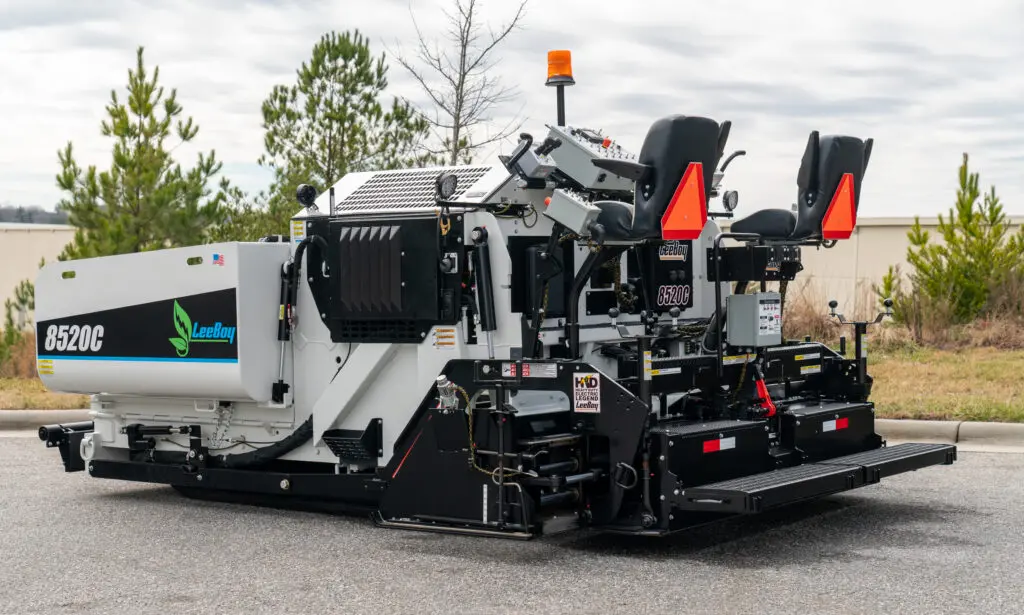
As a result, innovations in battery electric paving equipment, such as the 8520C, are gaining traction. These advancements not only mitigate the environmental impact of construction but also align with global goals for sustainability and resilience.
Introducing 8520C: Eco-Friendly Paving
The 8520C is at the forefront of the paving industry, designed to revolutionize the way we approach constructing and maintaining roadways. This state-of-the-art equipment is engineered for efficiency, reliability, and most importantly, environmental sustainability.
Recognizing the pressing need to reduce carbon emissions and foster eco-friendly practices, the 8520C incorporates advanced technologies that lower greenhouse gas emissions. These features not only contribute to a healthier planet but also align with global efforts to combat climate change.
The 8520C marks a significant shift towards battery-electric paving equipment, offering a cleaner, quieter alternative to traditional paving machines. Embracing this technology signifies a substantial leap forward in sustainable construction solutions.
Advantages of Battery-Electric Paving Equipment
Lower Operating Costs
One of the most compelling advantages of battery-electric paving equipment is the lower operating costs. Electric machines are generally more efficient, requiring less energy to perform the same tasks as their diesel counterparts.
Furthermore, they have fewer moving parts, which translates to reduced maintenance requirements and longer lifespans. These factors combine to offer significant savings over the equipment’s lifecycle, making it an economical choice for paving operations.
Enhanced Performance and Efficiency
Battery-electric paving equipment offers enhanced performance and efficiency. These machines provide consistent power delivery, leading to smoother operation and improved precision in paving tasks.
Innovative Features of 8520C
The 8520C is at the forefront of paving equipment, boasting cutting-edge battery technology that sets it apart from traditional models.
This efficient energy storage system supports a cleaner environment by eliminating the emissions associated with fossil fuel-powered machines.
Advanced Paving Capabilities
Designed with advanced paving capabilities, the 8520C delivers exceptional performance across various terrains and project scales.
Integration of Sustainable Materials
The 8520C incorporates sustainable materials in its construction, reflecting a commitment to environmental responsibility. The equipment reduces its overall carbon footprint and promotes a more sustainable industry.
This integration of green materials not only supports environmental goals but also enhances the durability and longevity of the machine, offering a reliable and responsible paving solution.
Applications of Eco-Friendly Paving Equipment
Road Construction and Rehabilitation
Eco-friendly paving equipment, such as the 8520C battery electric paver, plays a significant role in road construction and rehabilitation projects. These machines contribute to reducing the carbon footprint by eliminating the emissions associated with traditional gas-powered equipment.
Additionally, their quieter operation minimizes noise pollution, making them ideal for use in densely populated or environmentally sensitive areas, while maintaining efficiency and high performance.
Urban Development Projects
In urban development projects, sustainability and environmental impact are key considerations. Battery electric paving equipment is perfectly suited for these projects, providing a cleaner alternative to conventional machinery.
Industrial and Commercial Infrastructure
For industrial and commercial infrastructure projects, eco-friendly paving equipment offers a range of benefits including lower operating costs through reduced fuel consumption and maintenance needs.
The 8520C and similar equipment help businesses adhere to stricter environmental regulations and standards, ensuring that projects are completed in an eco-conscious manner. This not only supports corporate sustainability goals but also enhances the company’s reputation as an environmentally responsible entity.
Environmental Benefits of Battery-Electric Paving
Reduction in Greenhouse Gas Emissions
Battery-electric paving equipment significantly reduces greenhouse gas emissions.
These electric alternatives minimize the release of carbon dioxide and other harmful gases into the atmosphere. This reduction in emissions plays a vital role in combating climate change and promoting a healthier environment.
Preservation of Natural Resources
The switch to battery-electric paving equipment also aids in the preservation of natural resources. Conventional paving machinery relies heavily on diesel, a non-renewable resource that contributes to environmental degradation.
By use electric power, which can be generated from renewable sources such as solar or wind energy, the reliance on finite resources is diminished, promoting more sustainable practices.
Mitigation of Air and Noise Pollution
Battery-electric paving machines operate more quietly and produce less air pollution than their diesel counterparts.
The absence of exhaust emissions leads to improved air quality, resulting in a quieter operation of electric equipment by helping in reducing noise pollution, making construction sites less disruptive to nearby communities and wildlife.
Economic Implications of Green Paving Practices
Long-Term Cost Savings
Adopting green paving practices, including the use of battery electric paving equipment like the 8520C, results in significant long-term cost savings. While the initial investment in eco-friendly machinery may be higher compared to traditional paving equipment, the reduced operational costs over time offset the initial expenditure.
Electric equipment typically requires less maintenance and benefits from lower fuel and energy costs, ultimately passing these savings onto paving companies and their clients.
Market Opportunities and Growth Potential
The shift towards sustainable practices in construction is creating new market opportunities and fostering growth potential. As environmental awareness increases, there is a rising demand for eco-friendly construction solutions.
Companies utilizing green paving practices can attract a broader customer base that values sustainability, thus opening new markets and expanding business operations. Embracing green technologies like the 8520C positions companies as industry leaders in innovation and environmental responsibility.
Addressing Common Concerns about Battery-Electric Equipment
Performance and Reliability
One of the primary concerns with battery-electric paving equipment is its performance and reliability compared to traditional diesel-powered machinery.
The good news is that advancements in battery technology have significantly improved the power output and efficiency of electric paving equipment.
Modern battery-electric pavers are capable of delivering consistent performance even in demanding conditions, ensuring smooth operation and high-quality results.
Reliability is further enhanced by fewer moving parts, which reduces the likelihood of mechanical failures and operational downtime.
Charging Infrastructure and Downtime
Another critical concern is the availability of charging infrastructure and the potential for increased downtime due to charging requirements.
To address this, many manufacturers are investing in robust charging networks and portable charging solutions that can be easily set up on-site. Fast-charging technology has also been developed, allowing machinery to recharge in a fraction of the time it once took.
Moreover, efficient battery management systems are designed to optimize charging cycles, ensuring that equipment can be quickly returned to service with minimal disruption.
Maintenance and Lifecycle Considerations
Maintenance and the overall life cycle of battery-electric equipment are also common considerations.
Battery-electric pavers generally require less maintenance than their diesel counterparts because they have fewer components that are subject to wear and tear. This translates to lower operational costs and increased machine uptime.
Additionally, the lifecycle of battery-electric equipment is extended through regular software updates and battery management strategies that optimize performance over time.
As battery recycling and disposal technologies continue to advance, the environmental impact of battery-electric equipment is further minimized, contributing to a more sustainable future for the paving industry.
Summary of Eco-Friendly Paving Practices with 8520C
The adoption of the 8520C model represents a significant advancement in eco-friendly paving practices. Battery electric paving equipment, like the 8520C, minimizes environmental impact while maintaining high performance and efficiency.
Recap of Benefits and Advantages
The 8520C offers numerous benefits, including reduced emissions and lower operational costs. By eliminating the need for diesel fuel, these electric pavers cut down on harmful pollutants and greenhouse gases.
Additionally, the 8520C operates more quietly than traditional models, which reduces noise pollution on job sites and in surrounding communities.
The energy efficiency of battery electric systems also translates to significant savings over time, making the 8520C both an environmentally and economically sound choice.
Importance of Sustainable Construction Practices
Sustainable construction practices are vital in addressing global environmental challenges. As urban development continues to accelerate, the construction industry must adopt methods that reduce carbon footprints and promote green building standards.
The use of battery electric paving equipment, such as the 8520C, is a crucial step in this direction. By integrating sustainable practices, construction firms can help conserve natural resources, protect ecosystems, and support the overall health and well-being of future generations.
Electric asphalt pavers represent a significant advancement in road construction technology, offering a more sustainable method for paving surfaces. Unlike traditional pavers that rely on diesel engines, electric pavers use electric motors, which help in reducing greenhouse gas emissions and noise pollution.
An electric paver is designed to provide consistent performance and reliability, ensuring high-quality results on a variety of paving projects. As the industry moves towards greener solutions, electric asphalt pavers are becoming an essential tool for modern construction teams, aligning with environmental regulations and sustainability goals.
Understanding the key features of electric equipment is vital for making informed decisions in tool selection, operation, and maintenance within the asphalt paving industry. Features such as energy efficiency, battery life, and charging infrastructure directly impact the productivity and cost-effectiveness of paving projects.
Additionally, advanced control systems and automation capabilities enable precise and smooth operation, reducing manual labor and increasing safety. By familiarizing themselves with these features, operators and project managers can optimize performance, ensure compliance with environmental standards, and ultimately deliver superior paving results.
Understanding Electric Asphalt Pavers
Electric asphalt pavers are advanced machinery designed for laying asphalt on roads, bridges, parking lots, and other surfaces, using various electric vehicle components, such as an engine power source.
Electric asphalt pavers are powered by electric motors, which offer several advantages in terms of efficiency, environmental impact, and operational cost.
The primary purpose of these pavers is to provide a smoother, more consistent application of asphalt, enhancing the quality and durability of paved surfaces, which is crucial for construction job sites to meet future demands.
The incorporation of electric power in pavers is a step towards sustainable construction practices, meeting the increasing demand for eco-friendly solutions in infrastructure development. As experts explore future solutions such as new propulsion technologies supplied, friendly toggle switch controls, and portable electric equipment, we move into a new era of options.
Energy Efficiency
One of the standout features of electric asphalt pavers is their remarkable energy efficiency. These machines are designed to optimize power usage, reducing energy consumption without compromising performance.
By using advanced electric motors and energy management systems, electric asphalt pavers can achieve significant fuel savings compared to their diesel-powered counterparts.
Cutting-edge Electric Motors
At the heart of electric asphalt pavers are cutting-edge electric motors. These motors provide a powerful and consistent output, ensuring smooth and efficient paving operations.
Unlike traditional internal combustion engines, electric motors offer instant torque and require less maintenance, contributing to overall operational efficiency and longevity.
Energy Recovery Systems
Electric asphalt pavers are equipped with energy recovery systems that capture and reuse energy during operation. For example, energy generated during braking or other downtime activities can be harnessed and stored for later use.
This regenerative process not only enhances the machine’s energy efficiency but also reduces the overall energy demand.
Idle Management Technology
Idle management technology is a crucial feature that significantly contributes to the energy efficiency of electric asphalt pavers. This technology automatically reduces power consumption during idle periods, ensuring that the machine only uses energy when it’s actively paving.
By minimizing unnecessary energy usage, idle management technology helps lower operational costs and extend the lifespan of the equipment.
Environmental Benefits
Reduced Emissions
By operating on electricity, these pavers minimize the release of pollutants such as nitrogen oxides (NOx) and particulate matter (PM), leading to cleaner air quality and a healthier environment.
Lower Carbon Footprint
Utilizing electric pavers contributes to a lower carbon footprint in construction projects. The reduction in greenhouse gas emissions directly correlates with decreased reliance on fossil fuels.
This shift to electric power helps mitigate climate change by lowering the overall carbon emissions associated with construction activities.
Sustainable Construction Practices
Electric asphalt pavers align with sustainable construction practices, promoting a greener and more eco-friendly approach to infrastructure development.
By incorporating technology that lessens environmental impact, construction companies can lead the way in adopting sustainable methods. This not only preserves natural resources but also sets a standard for responsible and forward-thinking industry practices.
Precision and Performance Enhancements
Electric asphalt pavers are equipped with advanced screed technology that ensures a consistently smooth and precise asphalt surface. This technology allows for fine adjustments to be made to the screed settings, resulting in an optimal layer thickness and uniform finish.
The advanced screed systems also help in reducing material waste and improving the overall quality of the paved surface.
Enhanced Control Systems
Modern electric asphalt pavers come with enhanced control systems. These systems often feature user-friendly interfaces, real-time monitoring, and automated functions that enhance operational efficiency and accuracy.
The integration of GPS and other advanced technologies ensures that the pavement is laid down precisely according to the project specifications, reducing human error and enhancing overall performance.
Consistent Material Density
Consistency in material density is critical for the longevity and durability of asphalt surfaces. Electric asphalt pavers are designed to deliver consistent material density through improved material handling and distribution mechanisms.
This results in a uniform compaction, which is essential for preventing future road deterioration and extending the lifespan of the pavement. The combination of advanced screed technology and enhanced control systems ensures that the material density remains uniform, providing a reliable and durable asphalt surface.
Operational Advantages
Electric asphalt pavers come with a host of operational advantages that significantly enhance job site efficiency and overall performance.
Reduced Noise Levels
One of the key benefits of electric asphalt pavers is their reduced noise levels. Unlike traditional diesel-powered pavers, which can be quite loud and disruptive, electric pavers operate much more quietly.
This makes them particularly suitable for urban projects and residential areas where noise pollution is a concern. Contractors can work earlier in the morning or later in the evening without disturbing nearby residents, thereby extending the working hours and increasing productivity.
Minimal Maintenance Requirements
Electric pavers also boast minimal maintenance requirements. The electric drive systems are generally less complex and have fewer moving parts compared to internal combustion engines.
This means there are fewer components that can wear out or break down, resulting in lower maintenance costs and less downtime for repairs. The simplicity of the electric engines also makes routine maintenance tasks quicker and easier, allowing for longer periods of uninterrupted operation.
Improved Operator Comfort
Improved operator comfort is another significant advantage of electric asphalt pavers. The quieter operation and reduced vibrations of electric engines create a more pleasant working environment.
Additionally, many electric pavers are designed with ergonomic features, such as adjustable seats, better visibility, and intuitive controls, which reduce operator fatigue and improve overall job satisfaction. A comfortable operator is more likely to be productive and less prone to errors, further enhancing the efficiency and quality of the paving work.
Safety Features
Electric asphalt pavers come equipped with a range of advanced safety features to ensure the well-being of operators and nearby personnel. Key among these features are collision avoidance systems, emergency stop mechanisms, and operator awareness technologies.
Collision Avoidance Systems
Collision avoidance systems are designed to prevent accidents by detecting obstacles in the paver’s path and automatically adjusting its course to avoid collisions.
Using a combination of sensors and cameras, these systems provide real-time data to the onboard computer, which can then make prompt decisions to avert potential hazards.
Emergency Stop Mechanisms
Emergency stop mechanisms are crucial for halting the paver immediately in case of an emergency. These systems are typically accessible through easily identifiable and reachable buttons or levers, allowing operators to quickly bring the machine to a stop and mitigate any potential danger.
The rapid response of emergency stop mechanisms can prevent serious accidents and injuries on site.
Operator Awareness Technologies
Operator awareness technologies are innovations designed to ensure that the operator remains alert and fully aware of the surrounding environment.
These technologies may include fatigue detection systems, which monitor the operator’s physical state and issue alerts if signs of drowsiness are detected.
They also often feature 360-degree cameras and alarm systems that keep the operator informed of any changes around the equipment, thereby reducing the risk of accidents.
Versatility and Adaptability
An electric asphalt paver’s versatility and adaptability are key features that make it a valuable asset in road construction and maintenance.
Designed to handle a wide range of paving applications, these machines can efficiently work in various environments and conditions, ensuring seamless performance whether in urban settings or remote locations.
Compatibility with Various Asphalt Mixes
One of the hallmarks of an elite electric asphalt paver is its compatibility with various asphalt mixes. Whether working with hot-mix asphalt, warm-mix asphalt, or cold-mix asphalt, these pavers are engineered to handle different compositions without compromising quality or efficiency.
This flexibility allows contractors to choose the most suitable mix for specific project requirements, optimizing both cost and performance.
Adjustable Paving Widths
Adjustable paving widths are another critical feature of electric asphalt pavers. These machines are equipped with adjustable screeds that can easily modify the paving width according to the project’s specifications.
This adaptability not only enhances efficiency by accommodating different road sizes and shapes but also reduces the need for multiple passes, thereby saving time and resources.
Integration with Other Equipment
Modern electric asphalt pavers are designed for seamless integration with other construction equipment. This interoperability ensures that the pavers can work in tandem with devices like rollers, compactors, and graders, streamlining the entire paving process.
The synchronized operation of equipment enhances overall productivity and results in a smoother, more uniform pavement surface.
Cost-efficiency Factors
Lower Operating Costs
Electric asphalt pavers provide significant cost savings due to their reduced dependency on fossil fuels. Since electricity is generally less expensive than diesel, operational expenses are considerably lower.
Additionally, electric pavers require less maintenance because they have fewer moving parts and no need for oil changes, resulting in less downtime and reduced labor costs.
Long-term Investment Benefits
Investing in electric asphalt pavers can yield substantial long-term benefits. These machines have a longer lifespan due to their robust and less complex mechanical systems.
Furthermore, as regulations on emissions continue to tighten, having a fleet of electric pavers ensures compliance, making them a future-proof investment.
Return on Investment Analysis
When analyzing the return on investment (ROI) for electric asphalt pavers, it’s important to consider both the immediate and ongoing cost benefits.
The upfront cost may be higher compared to traditional models, but the savings from lower operating costs and maintenance expenses quickly add up.
Moreover, incentives and rebates for using environmentally friendly machinery can further enhance ROI, making electric asphalt pavers a financially sound choice in the long run.
Summary
Electric asphalt pavers are revolutionizing the construction industry with their advanced features and significant benefits. These pavers are designed to enhance efficiency, reduce operational costs, and contribute to a more sustainable environment.
Electric asphalt pavers play a crucial role in modern construction by addressing key industry challenges such as environmental sustainability and operational efficiency.
Their zero-emission operation is vital in reducing the carbon footprint of construction projects, aligning with global efforts to combat climate change. The quiet and efficient performance of these pavers ensures that construction can proceed with minimal disruption to local communities.
Moreover, the cost savings and enhanced precision offered by electric pavers make them an attractive investment for construction companies aiming to deliver high-quality infrastructure in a cost-effective manner.
As the industry continues to evolve, embracing electric asphalt pavers will be essential in driving progress toward more sustainable and efficient construction practices.
Electric asphalt pavers, an innovative addition to the road construction industry, represent a shift towards more sustainable and efficient paving methods.
Unlike their traditional diesel-powered counterparts, electric pavers operate on battery power, offering a cleaner, quieter, and more environmentally friendly alternative.
Understanding the benefits of electric asphalt pavers is crucial for industry professionals and stakeholders.
This knowledge not only highlights the potential for significant operational cost savings and reduced carbon footprints but also aligns with global efforts towards greener construction practices, contributing to a more sustainable future.
In this article, we will delve into all the benefits of electric asphalt pavers, going from things like the advantages of having an exchangeable battery to the decrease of nitrogen oxide emissions, increase of standard paving width, and more. Read on to know everything!
Enhanced Environmental Impact
One of the most compelling benefits of electric asphalt pavers is the Enhanced Environmental Impact they offer. Unlike their traditional counterparts, which rely on diesel fuel and produce significant emissions, electric pavers operate with markedly reduced emissions.
This reduction contributes profoundly to sustainability efforts, aligning with global initiatives aimed at reducing carbon footprints and combating climate change.
Choosing electric asphalt pavers for construction projects helps organizations adhere to stricter environmental regulations and demonstrates a commitment to environmental stewardship, paving the way for a greener and more sustainable future in construction practices.
Cost Savings
Electric asphalt pavers are powered by electricity, which generally costs less than the diesel fuel that powers traditional pavers. This transition can lead to substantial savings, especially over the lifespan of the equipment. The fluctuating prices of diesel fuel can also introduce an element of unpredictability into operating costs, a concern substantially mitigated by the more stable prices of electricity.
Besides fuel savings, electric pavers present fewer maintenance demands. Traditional diesel pavers comprise numerous moving parts and complex systems that are susceptible to wear and tear, necessitating regular maintenance and potential downtime. In contrast, electric motors are simpler and more robust, translating to less frequent maintenance needs and reduced long-term operating costs.
Noise Reduction
One of the standout benefits of electric asphalt pavers is their capacity for minimal noise pollution, especially when compared to their diesel counterparts. This reduction in noise levels significantly impacts the work environment, creating a more comfortable and communication-friendly setting for operators and construction teams.
Additionally, electric pavers are a boon for nearby communities, limiting the disruption and discomfort often associated with construction projects. This makes electric asphalt pavers not only an environmentally responsible choice but also a community-friendly option in urban and residential areas.
Improved Efficiency
Electric asphalt pavers come equipped with technology that significantly enhances the efficiency of road construction projects. One of the best advantages is the capacity for faster heating and cooling times. This feature allows construction crews to commence work promptly and efficiently manage the asphalt laying process, ensuring it sets correctly and uniformly.
Consequently, projects can move forward at a quicker pace, translating to increased productivity on job sites. This improvement in efficiency not only shortens project timelines but also reduces labor hours and associated costs.
Versatility in Application
Versatility in application is two-fold, encompassing both the ability to work in various weather conditions and suitability for diverse asphalt projects. Whether facing the scorching heat of summer or the unpredictable drizzle of spring, electric asphalt pavers continue to operate efficiently, without the delays often associated with weather-sensitive equipment.
This ensures that projects remain on schedule, regardless of the meteorological challenges. Furthermore, these machines are designed to handle a wide range of asphalt projects, from small residential pathways to large commercial parking lots.
Long-term Durability
One of the standout advantages of electric asphalt pavers is their long-term durability, primarily due to the enhanced lifespan of electric components. Unlike their mechanical counterparts, electric parts are less susceptible to wear and tear, ensuring a consistently high performance over a longer period.
This durability stems from the absence of mechanical friction, reduced overheating issues, and the overall efficiency of electric systems.
Consequently, users can expect not only a reduction in maintenance and replacement costs but also a more reliable and enduring piece of machinery. This makes electric asphalt pavers an economically sound choice for any paving project, promising an extended service life and uninterrupted operation.
Safety Advantages
One of the noteworthy safety advantages of electric asphalt pavers lies in their reduced risk of accidents from fuel-related incidents. Traditional, combustion-engine pavers rely on diesel fuel, which presents inherent risks such as spills, leaks, and the potential for fires.
Electric models eliminate these hazards by utilizing batteries, enhancing onsite safety. Additionally, electric pavers offer improved operator comfort and ergonomics.
The absence of a combustion engine means there’s significantly less noise and vibration, which can reduce operator fatigue and long-term exposure to potentially harmful vibrations.
This focus on operator well-being not only contributes to a safer work environment but also can increase productivity and job satisfaction.
Regulatory Compliance
Electric asphalt pavers offer a significant advantage when it comes to meeting regulatory compliance, especially in the face of stringent emissions regulations and rapidly evolving environmental standards. Traditional diesel-powered equipment often struggles to meet these regulations without costly modifications or upgrades.
In contrast, electric asphalt pavers produce zero emissions at the point of use, making them inherently compliant with even the strictest environmental legislation.
This not only helps construction companies avoid potential fines and downtime associated with non-compliance but also positions them as leaders in sustainable construction practices.
Potential for Government Incentives
One compelling benefit of electric asphalt pavers is the “Potential for Government Incentives.” Many governments worldwide are increasingly offering grants and subsidies to encourage the purchase and use of electric equipment.
This is part of a broader initiative to promote environmentally friendly and sustainable practices within industries. For businesses in the construction sector, investing in electric asphalt pavers can thus present significant financial benefits.
Capitalizing on these incentives, companies can not only reduce their initial investment costs but also position themselves as leaders in eco-friendly construction practices, garnering positive public and market sentiment.
Public Perception and Reputation
One significant advantage of utilizing electric asphalt pavers is the improvement of public perception and reputation. In today’s environmentally conscious society, businesses and organizations that prioritize eco-friendly practices are often viewed more favorably.
Adopting electric paving technologies allows companies to underscore their commitment to preserving the environment and appeal to a growing demographic of environmentally aware clients and partners.
This positive image can boost a company’s reputation, making it more attractive to consumers who prioritize sustainability in their purchasing decisions, as well as potential partners looking for eco-conscious collaborators.
Impact on Project Timelines
Electric asphalt pavers significantly impact project timelines, primarily by minimizing downtime due to maintenance and ensuring consistent performance. Unlike their diesel counterparts, electric variants have fewer moving parts and do not require oil changes, leading to less frequent and shorter maintenance breaks.
This reliability translates to more predictable scheduling and the ability to meet project deadlines with greater consistency. The efficiency of electric pavers, combined with their reduced need for repairs, means that construction projects can proceed on schedule, reducing the risk of delays and associated costs.
Advances in Technology
Advances in technology are significantly influencing the evolution of electric asphalt pavers, bringing about a new era of construction efficiency and effectiveness. These innovations are not only enhancing the current capabilities of electric pavers but are also paving the way for groundbreaking developments in the future.
An electric asphalt paver saves time and energy since these machines are now equipped with smart, automated systems that ensure precise asphalt application, reducing material wastage and improving road quality. GPS and laser-guiding systems allow for better accuracy in paving, saving time and labor costs.
Looking ahead, potential future developments of asphalt spreading machine options include a better electric drive, more effective smartly-switched electric motors, the integration of AI for predictive maintenance, reducing downtime, and the incorporation of more sustainable materials in construction.
Summary of Key Points
In conclusion, the benefits of electric asphalt pavers are both varied and substantial. We’ve explored the significant advantages these machines offer, from reduced emissions and lower operational costs to enhanced precision and operational efficiency.
These key points underscore the transformative potential of electric asphalt pavers in the construction industry. When they adopt this technology, companies can not only improve their operational efficiency but also contribute to a more sustainable future.
With these new electric machines to use in different paving projects, managers probably won’t have to worry about other electric equipment. Instead, the paving crew will do what they do best and deliver the best smooth surface possible.
The shift towards electric asphalt paving is not just beneficial—it’s essential for the evolution of road construction and maintenance practices.
The history of asphalt paving traces back to ancient times, but modern techniques emerged in the 1800s, with the first asphalt road laid in Paris.
Over the years, innovations like drum mixers and mechanical pavers revolutionized the process, improving efficiency and quality. Recently, the industry has seen a pivotal shift towards using electric machines, driven by environmental concerns and regulatory pressures.
These electric versions promise lower emissions, reduced noise, and operational cost savings, marking a significant step towards sustainable construction practices. This shift underscores the industry’s commitment to innovation and environmental stewardship.
Understanding Electric Asphalt Pavers
Electric paver options are a revolutionary addition to the road construction industry, aligning with global efforts to reduce carbon emissions and enhance energy efficiency.
Unlike their diesel-powered counterparts, pavers with electric heating solely operate on electricity, offering a cleaner alternative for laying down roads, parking lots, and various other surfaces.
Since they have an electric motor, slope control, high-flow hydraulic systems, different powertrain control solutions, and friendly toggle switch controls, many people think they’re the ideal alternative to diesel machines, particularly because they can help improve operating efficiency.
What Are Electric Asphalt Pavers?
Electric asphalt pavers are construction vehicles designed specifically for laying asphalt, switching the view of how the engine power source traditionally worked.
They are equipped with an electric engine instead of the traditional diesel engine, allowing the paving crew to meet future demands with more ease and complete large-scale projects without any hassle.
This shift not only contributes to a reduction in the emission of harmful pollutants but also results in quieter operations, making them ideal for work in urban settings where noise pollution is a concern.
Components of Electric Asphalt Pavers
The primary components of electric asphalt pavers include an electric drive motor, a hopper for holding the asphalt before it’s laid, a conveyor system to move the asphalt from the hopper to the screed, and the screed itself, which levels and compacts the asphalt.
The transition to electric power impacts the design of these components, particularly the drive motor, which is engineered to provide efficient power distribution with minimal energy loss.
Advantages Over Traditional Pavers
Electric asphalt pavers offer numerous advantages over their traditional, diesel-operated counterparts. The most significant benefit is their contribution to environmental sustainability; they emit zero exhaust pollutants.
Additionally, they operate more quietly, which reduces noise pollution and enhances the comfort of the work environment. Electric pavers also tend to have lower operating costs in the long run, thanks to the efficiency of electric engines and the lower cost of electricity compared to diesel fuel.
Lastly, these pavers can offer improved operational precision due to the smoother control of electric motors, which can lead to a higher quality paving job.
Environmental Impact of Electric Asphalt Pavers
The adoption of electric asphalt pavers marks a significant leap towards more environmentally friendly construction practices.
One of the most notable benefits includes a Reduction in Carbon Emissions. Unlike their diesel-powered counterparts, electric pavers operate on clean energy, substantially lowering the carbon footprint associated with road construction and maintenance activities.
Additionally, electric asphalt pavers contribute to Minimizing Noise Pollution. Traditional asphalt laying equipment is known for producing high levels of noise, contributing to noise pollution in construction areas.
Electric models, however, operate much more quietly, creating a more pleasant and safer environment for both workers and nearby communities.
Lastly, the move towards electric technology aligns with the pursuit of Sustainable Asphalt Solutions. The industry is witnessing a growing interest in recycling asphalt and utilizing more eco-friendly materials in the paving process.
Electric pavers, being inherently cleaner, complement these practices by reducing the overall environmental impact of paving activities, thereby paving the way for a more sustainable future in road construction.
How Electric Asphalt Pavers Work
Electric asphalt pavers represent a leap forward in paving technology, merging sustainability with efficiency. At the heart of their operation is the power source, which is typically derived from advanced battery packs.
These batteries power electric motors that drive the paver’s components, including the conveyor system that moves the asphalt, the screed that levels it, and the wheels or tracks that propel the paver forward. This electric powertrain not only reduces emissions but also enables smoother and more precise control of paving operations.
Power Source and Mechanism
The shift towards electric power sources in asphalt pavers reflects the construction industry’s broader move towards sustainability.
These heavy-duty batteries are designed to withstand the rigors of construction environments, providing consistent power output for extended periods to accommodate long workdays. Quick-charging capabilities and energy-efficient designs ensure these pavers can operate as effectively as their diesel counterparts, if not more so.
Efficiency in Paving Processes
One of the standout benefits of electric asphalt pavers is their efficiency. The precise control offered by electric motors allows for uniform asphalt distribution and smoother finishes.
This not only enhances the quality of the paved surfaces but also reduces material waste. Furthermore, the reduced noise levels of electric pavers make for a more comfortable working environment for operators and less disturbance to surrounding areas.
Adaptability to Various Projects
Electric asphalt pavers are designed to be versatile, and capable of adapting to a wide range of paving projects—from small footpaths and parking lots to large roadways.
Manufacturers offer different models with varying sizes and features, such as adjustable screed widths and advanced control systems. This adaptability ensures that contractors can select a paver that best fits the specific needs of their project, whether it requires detailed work or extensive coverage.
Economic Considerations of Electric Asphalt Pavers
Understanding the economic considerations of electric asphalt pavers is crucial for construction and roadwork companies contemplating the transition to more sustainable machinery. The economic implications can be divided into three core areas:
Initial Investment vs. Long-term Savings
Electric asphalt pavers, while presenting a higher upfront cost compared to their diesel counterparts, offer significant long-term savings.
These savings are primarily achieved through lower operational costs, as electricity is generally cheaper than diesel fuel. Additionally, electric pavers tend to have fewer moving parts, which reduces wear and tear over time, leading to lower maintenance costs.
Return on Investment (ROI) Analysis
An ROI analysis comparing electric asphalt pavers to traditional options often reveals that the initial higher investment pays off over time.
The key factors contributing to a favorable ROI include reduced fuel and maintenance costs, alongside potential government incentives for adopting greener technologies.
Companies should conduct a comprehensive ROI analysis, factoring in expected usage, fuel savings, maintenance costs, and potential incentives to accurately determine the financial viability.
Cost-effectiveness in Maintenance
Maintenance costs for electric asphalt pavers are generally lower than those for diesel pavers. Electric motors have fewer moving parts and do not require oil changes, which contributes to lower routine maintenance costs.
Additionally, the absence of exhaust systems and the simplicity of electric drive systems further reduce potential repair expenses. This cost-effectiveness in maintenance not only improves the total cost of ownership but also ensures that the pavers are operational for a greater percentage of the time, enhancing productivity.
These economic aspects form a compelling case for the adoption of electric asphalt pavers, notwithstanding their higher initial price point. The long-term financial benefits, alongside the environmental advantages, make electric asphalt pavers a prudent investment for forward-thinking companies keen on sustainability and cost efficiency.
Challenges and Limitations
Electric asphalt pavers, while innovative, face challenges such as extensive infrastructure requirements for charging stations, and widespread adoption barriers including high initial costs.
Additionally, technological constraints, like limited battery life and power output, are pivotal issues. These factors can hinder their integration into current construction workflows, necessitating strategic planning and investments in upskilling the workforce and upgrading infrastructure.
Transitioning towards electric models demands a collective effort from manufacturers, companies, and governments to overcome these obstacles and fully harness their environmental benefits.
Future Trends and Predictions in Electric Paving
In 2024, the electric asphalt paver market is set to evolve significantly, driven by technological advancements that promise more efficiency and lower emissions.
We’ll see innovations aimed at improving battery life and reducing charging times, making electric pavers more practical for widespread use.
The applications for electric paving will expand beyond roads to include smaller projects like bike paths and parking lots, further driving market growth.
Predictions also point towards a greener industry with a larger adoption of renewable energy sources in the manufacturing and operation of these machines, underscoring a commitment to sustainability in infrastructure development.
Conclusion: Embracing the Electric Future of Asphalt Paving
In summary, the shift towards electric asphalt paving in 2024 signifies a pivotal advancement for sustainable construction practices.
This technology not only promises reduced emissions and operational costs but also introduces a new era of efficiency and eco-friendly infrastructure development.
Acknowledging these benefits, the construction industry is encouraged to adopt electric paving technologies, reinforcing the commitment to building greener and more sustainable communities.
The time is ripe for stakeholders at all levels to champion this transition and pave the way for a cleaner, more sustainable future in infrastructure development.